Why Is My Vision Getting Blurry? 10 Possible Causes
Blurry Vision Can Have Many Causes
Blurry vision is a common eye complaint, but it isn’t always caused by needing a new glasses prescription. Sometimes blurry vision is temporary and related to dry eyes or fatigue. In other cases, it can be a sign of an eye condition that needs medical attention. Understanding the possible causes of blurry vision can help you recognize when it’s time to schedule a comprehensive eye exam.
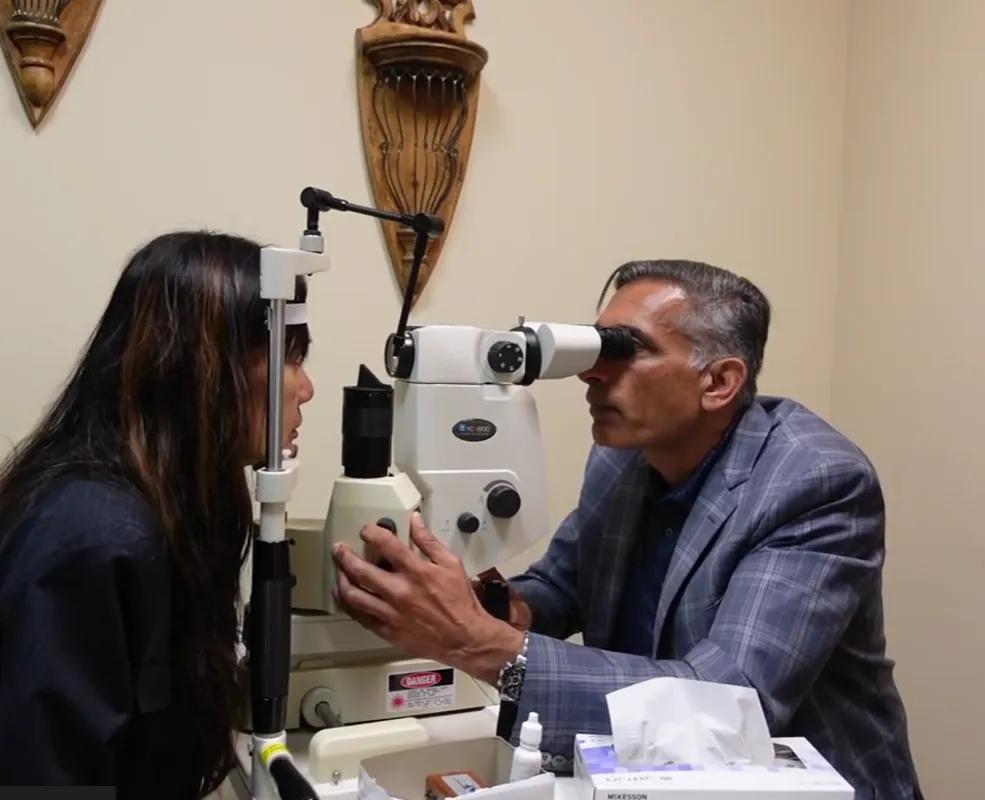
At Atlanta Vision Institute, our team evaluates blurry vision by looking at your overall eye health, medical history, and individual symptoms. We can help determine what’s causing your vision changes and recommend the appropriate treatment. If you’re experiencing blurry vision in Atlanta, Dunwoody, Johns Creek, or the surrounding areas, call our Atlanta ophthalmologist at 770-622-2488 today!
What Causes Blurry Vision?
Blurry vision can affect one or both eyes and may occur suddenly or gradually. Some common causes include changes to the eye’s focusing system, problems with the surface of the eye, or conditions affecting the lens, retina, or optic nerve.
Here are 10 possible causes of blurry vision:
1. Changes in Your Glasses or Contact Lens Prescription
One of the most common reasons for gradually worsening blurry vision is a change in your prescription.
As your eyes change over time, the prescription that once provided clear vision may no longer be adequate. You may notice that it’s becoming harder to read, see road signs, use a computer, or see clearly at a distance.
A comprehensive eye exam can determine whether a prescription change is responsible for your symptoms.
2. Dry Eye
Dry eye occurs when your eyes don’t produce enough tears or when your tears don’t adequately keep the surface of your eyes lubricated.
In addition to burning, irritation, or a gritty sensation, dry eye can cause vision to fluctuate or become temporarily blurry.
If your blurry vision improves after blinking, this may be one indication that the surface of your eye is contributing to the problem.
3. Cataracts
A cataract occurs when the natural lens inside your eye becomes cloudy.
Cataracts can cause vision to become blurry, hazy, dim, or less sharp. You may also experience increased sensitivity to glare, difficulty seeing at night, or halos around lights.
Cataracts typically develop gradually, so you may not notice how much your vision has changed until everyday activities become more difficult.
4. Diabetes and Diabetic Eye Disease
High blood sugar can affect the blood vessels and tissues inside the eye.
Diabetes can increase the risk of several eye conditions, including diabetic retinopathy and diabetic macular edema, which can affect central vision.
If you have diabetes, regular comprehensive eye examinations are important even if your vision currently seems normal.
5. Glaucoma
Glaucoma is a group of eye diseases that can damage the optic nerve.
Some forms of glaucoma develop slowly and may not cause noticeable symptoms in the early stages. As the condition progresses, vision can be affected.
Because glaucoma may develop without obvious warning signs, routine eye exams can be an important part of protecting your vision.
6. Age-Related Macular Degeneration
Age-related macular degeneration, or AMD, affects the macula, the part of the retina responsible for detailed central vision.
AMD can cause blurry or distorted central vision and may make activities such as reading, recognizing faces, or driving more difficult.
If you notice straight lines appearing wavy or changes in your central vision, schedule an eye examination.
7. Problems With the Cornea
The cornea is the clear outer surface of your eye and plays an important role in focusing light.
Changes or damage to the cornea can cause blurry or distorted vision. Conditions affecting the cornea may also cause pain, redness, light sensitivity, or a sensation that something is in your eye.
An ophthalmologist can evaluate the cornea and determine whether treatment is needed.
8. Eye Floaters or Retinal Problems
Seeing an occasional floater can be common, particularly as you get older. However, a sudden increase in floaters, flashes of light, or a shadow or curtain across your vision can be a warning sign of a retinal problem.
These symptoms should be evaluated promptly.
9. Eye Strain
Extended periods of computer use, reading, driving, or other visually demanding activities can contribute to temporary eye strain.
You may experience tired eyes, difficulty focusing, headaches, or intermittent blurry vision.
Taking regular breaks and addressing underlying vision or dry-eye problems may help, but persistent symptoms should be evaluated by an eye-care professional.
10. Other Health Conditions or Medications
Vision changes can sometimes be associated with underlying health conditions or medications.
This is one reason it’s important to look beyond the eyes when evaluating unexplained changes in vision. Your ophthalmologist can consider your symptoms, medical history, medications, and overall eye health when determining the possible cause.
When Should I See an Ophthalmologist for Blurry Vision?
Not every episode of blurry vision is an emergency. However, new, persistent, worsening, or unexplained blurry vision deserves attention.
You should seek prompt medical evaluation if blurry vision occurs with:
Sudden vision loss
Significant eye pain
Severe redness
Flashes of light
A sudden increase in floaters
A curtain or shadow across your vision
Double vision
Significant headache or other concerning symptoms
Sudden vision changes can sometimes indicate a serious eye or medical problem and should not be ignored.
How Is the Cause of Blurry Vision Diagnosed?
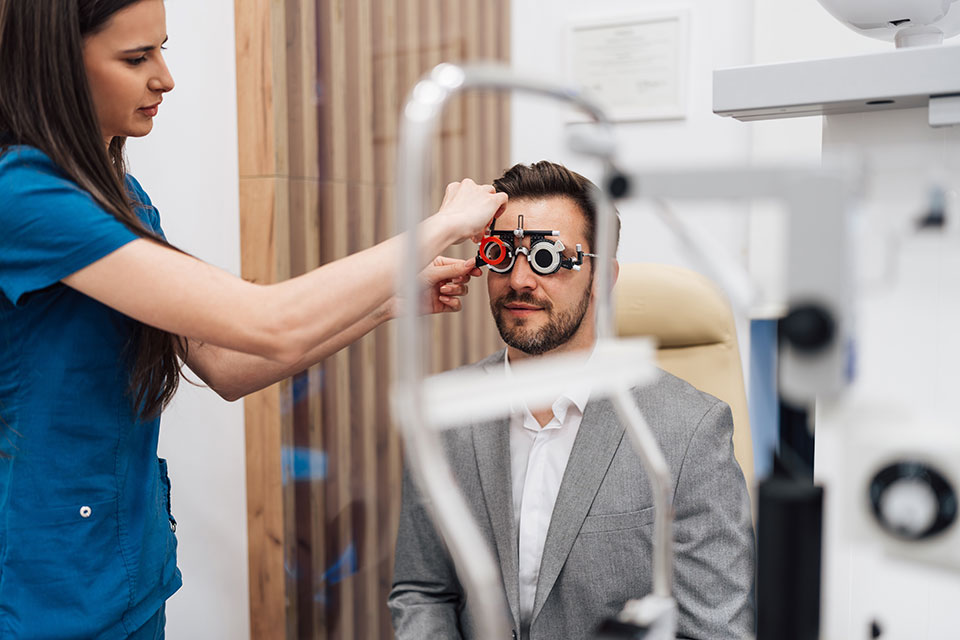
Your ophthalmologist will typically begin by asking about your symptoms, when they started, and whether the blurry vision affects one or both eyes.
Depending on your situation, your evaluation may include:
A vision test
Measurement of your eye pressure
Examination of the cornea and other structures
Evaluation of the lens for cataracts
Examination of the retina and optic nerve
Additional diagnostic testing when appropriate
The goal is to identify what’s causing your blurry vision rather than simply treating the symptom.

Don’t Ignore Changes in Your Vision
Blurry vision can be caused by something as simple as dry eye or a change in your prescription, but it can also be associated with conditions that require medical treatment.
At Atlanta Vision Institute, Dr. Farooq Ashraf and our team provide comprehensive eye evaluations to help identify the cause of vision changes and determine the right next step for your eyes.
If you’re experiencing blurry vision in Atlanta, Dunwoody, Johns Creek, or the surrounding areas, call our Atlanta ophthalmologist at 770-622-2488 today to schedule an evaluation.