
Cataract Surgery Recovery: What to Expect
Clearer Vision Starts With the Right Recovery
Cataract surgery is one of the most common and successful eye procedures performed today. For many patients, the procedure itself is relatively quick, but your eye still needs time to heal and adjust afterward.
Understanding what to expect during cataract surgery recovery can make the process easier and give you confidence about returning to your normal routine. At Atlanta Vision Institute, our team provides personalized post-operative care to help your eyes heal properly and your vision reach its best potential.
If you're considering cataract surgery in Atlanta, Dunwoody, Johns Creek, or the surrounding areas, knowing what happens after surgery is an important part of making an informed decision. Call our Atlanta ophthalmologist at 770-622-2488 today!

Clarity.
Focus.
Confidence.
Freedom.
How Long Does Cataract Surgery Recovery Take?
Most patients can return to many everyday activities relatively quickly, but complete healing takes longer.
You may notice an improvement in vision soon after surgery, while your vision can continue to stabilize as your eye heals. The National Eye Institute notes that most people are completely healed within about eight weeks, although individual recovery times vary.
Your recovery may depend on factors including:
Your overall eye health
The condition of your cornea and retina
Whether you have other eye conditions
The type of intraocular lens (IOL) implanted
How your eye responds to surgery
Whether you have cataracts in both eyes
Your surgeon will provide specific instructions based on your eyes and procedure.
Cataract Surgery Recovery Timeline
The First 24 Hours
Immediately after surgery, your vision may be blurry, hazy, or brighter than you're accustomed to.
You may also experience:
Mild irritation
Watery eyes
Light sensitivity
A scratchy or gritty sensation
Mild redness
Temporary fluctuations in vision
These symptoms can be part of the normal healing process.
You'll typically need someone to drive you home after surgery because you should not drive immediately afterward. Your Atlanta eye specialist will let you know when it is safe for you to resume driving.
The First Few Days
Many patients notice meaningful improvement in their vision during the first few days.
Colors may also appear brighter or more vibrant because the cloudy natural lens has been replaced with a clear artificial lens.
Even when vision improves quickly, your eye is still healing.
Follow your surgeon's instructions regarding:
Prescription eye drops
Eye protection
Washing around the eye
Rubbing or touching your eye
Physical activity
Follow-up appointments
The First Week
During the first week, your vision may continue to fluctuate as your eye heals.
Your doctor may restrict certain activities temporarily, including strenuous exercise, heavy lifting, swimming, or anything that could expose your eye to contamination or injury.
Don't assume that feeling better means your eye is completely healed. Continue following your post-operative instructions even if your vision feels excellent.
Several Weeks After Surgery
Your vision can continue to stabilize over the following weeks.
Some patients may need a new prescription for glasses once the eye has fully healed. Cataract surgery can significantly improve vision, but it does not necessarily eliminate the need for glasses in every patient.
If you have cataracts in both eyes, your surgeon will generally perform surgery on each eye separately rather than treating both eyes at the same time. The timing between procedures depends on your individual circumstances.
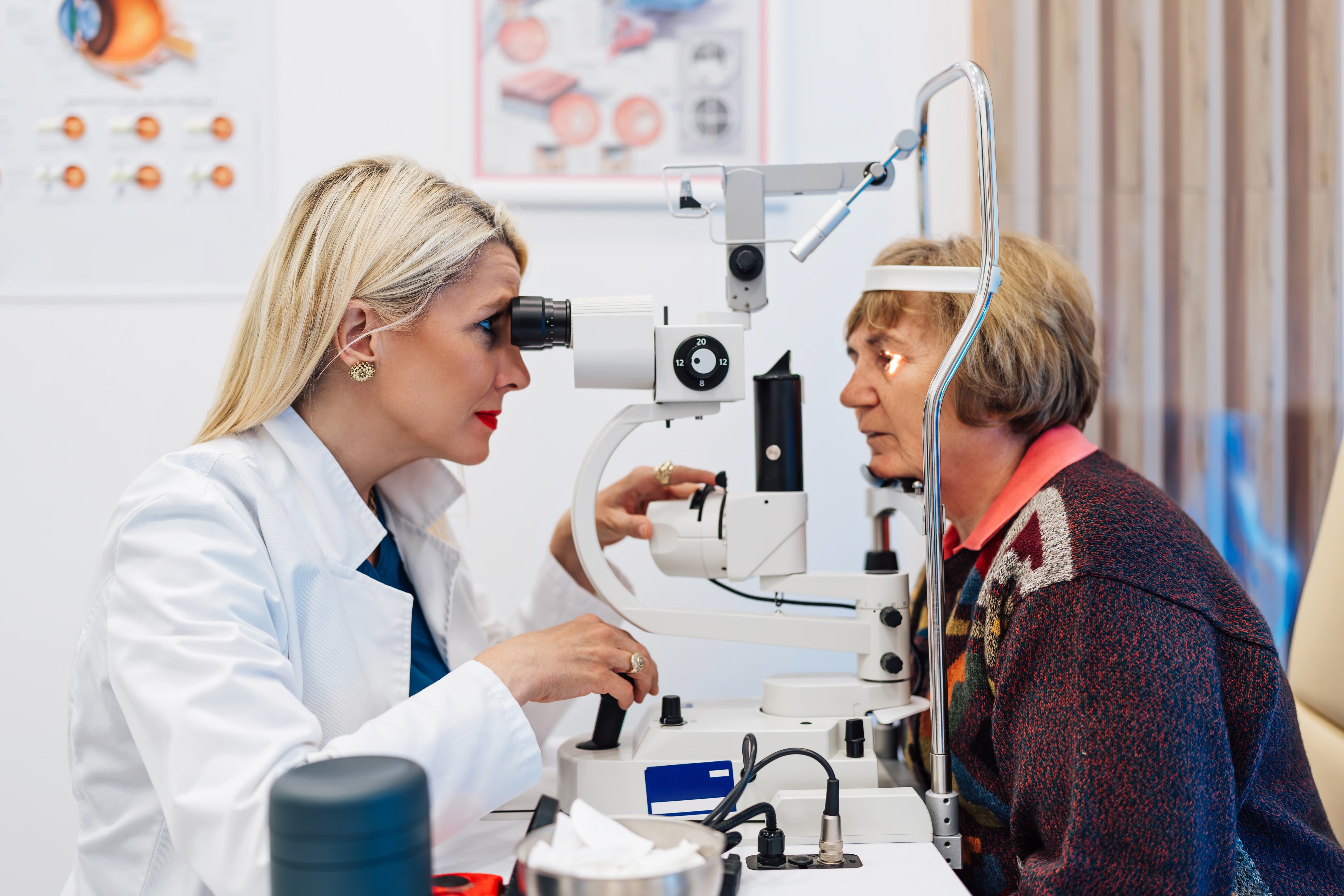
Frequently Asked Questions
When can I drive after cataract surgery?
You should not drive immediately after cataract surgery. Your vision may be blurry, hazy, or fluctuate during the early stages of recovery. Your ophthalmologist will let you know when your vision is clear and stable enough for you to drive safely.
When can I go back to work after cataract surgery?
Many patients can return to work relatively quickly, particularly if they have a desk job or other light-duty work. If your job involves heavy lifting, strenuous activity, dust, chemicals, or other potential eye irritants, you may need additional time to recover. Your surgeon can recommend a timeline based on your work and healing.
When can I exercise after cataract surgery?
Light activity may be allowed soon after surgery, but strenuous exercise and heavy lifting may need to be avoided while your eye heals. Swimming and activities that could expose your eye to contaminated water may also be restricted temporarily. Follow your surgeon's specific instructions before returning to your normal workout routine.
When should I call my eye doctor after cataract surgery?
Mild irritation, blurry vision, and light sensitivity can occur during normal recovery. However, contact your eye doctor promptly if you experience significant or worsening pain, sudden vision loss, severe redness, flashes of light, a sudden increase in floaters, or another significant change in your vision. These symptoms may require prompt evaluation.
Ready to See More Clearly Again?
Cataract surgery can restore vision that has become cloudy or dim and help you return to the activities you enjoy. At Atlanta Vision Institute, Dr. Farooq Ashraf and our team evaluate your eyes, discuss your goals, and help you understand your treatment and lens options. Call our Atlanta ophthalmologist at 770-622-2488 today to learn more. We also serve patients coming from Atlanta, Dunwoody, Johns Creek, or the surrounding areas
Proven Expertise: Dr. Ashraf has performed more than 50,000 successful vision correction procedures
Innovator: Atlanta Vision Institute was the first ophthalmology practice in Georgia to perform Zeiss SMILE®
Trusted Reputation: Dr. Ashraf has been recognized as one of Atlanta’s top ophthalmologists by peers and patients
Personalized Care: Our practice focuses on individualized treatment plans and long-term relationships with our patients.
Convenient offices in Atlanta, Dunwoody, and John's Creek
Experience the world in focus again. If cataracts are making your vision cloudy, don’t wait. Clear, bright sight is only a few steps away.
Your Vision Transformation
Starts With One Conversation
For some patients, life after vision correction means waking up and seeing clearly for the first time in years. For others, it means no more contact lens irritation, no more reaching for glasses in the middle of the night, and no more planning daily life around visual limitations.
Whether your goal is convenience, confidence, performance, or simply clearer everyday living, advanced vision correction can make a meaningful difference.
Take the first step today by scheduling a free vision consultation.
Freedom from glasses and contacts is closer than you think!
Your Vision Transformation Starts With One Conversation
Take the first step today. Freedom from glasses and contacts is closer than you think!
We are committed to guiding you on your journey to clear vision. Our expert team offers a supportive environment to help you thrive, and see the world with 20/20 vision.
Phone: 770-622-2488
Hours:
Monday - Friday 9AM-5PM
Quick links
Services
Cataract Options
Locations
11459 John's Creek Pkwy #100
John's Creek, GA 30097
1611 Mt Vernon Rd #100
Dunwoody, GA 30338
© Atlanta Vision Institute. 2026. All Rights Reserved.