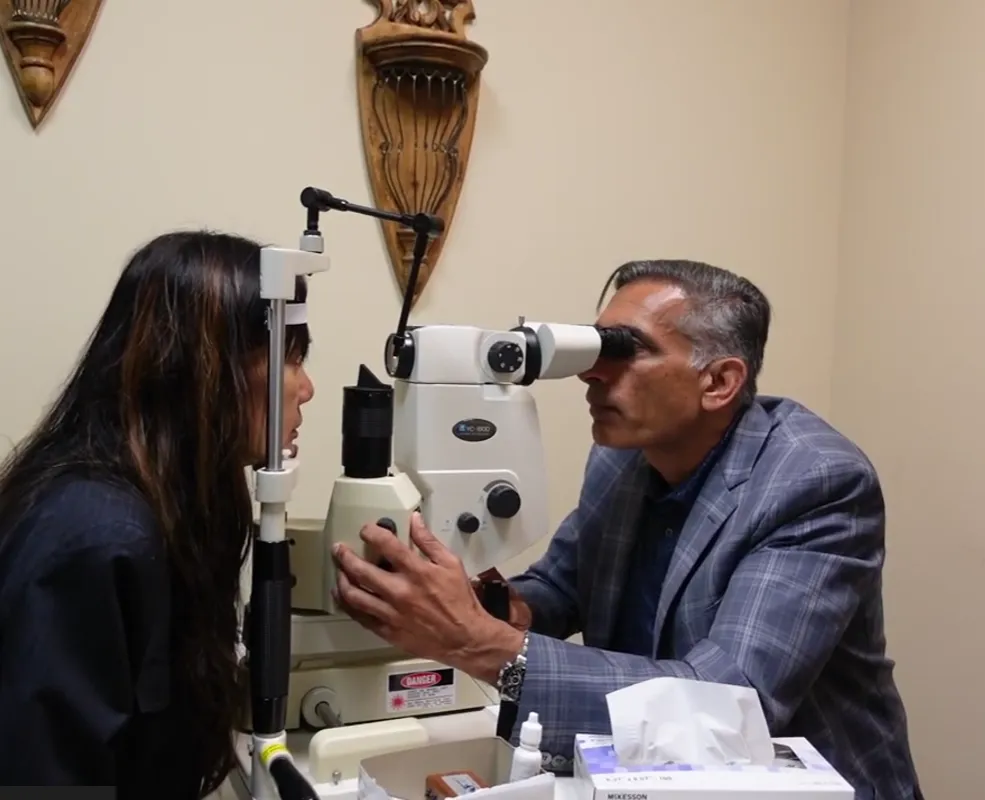
How to Protect Your Eyes as You Get Older
Learning About Age-Related Changes in Your Vision
Changes in your vision are a natural part of aging, but significant vision loss is not inevitable. As you get older, your eyes may become more susceptible to conditions such as cataracts, glaucoma, macular degeneration, and dry eye disease. Some of these conditions develop gradually without noticeable symptoms during their early stages.
Taking steps to protect your eye health can help identify potential problems early, manage age-related changes, and maintain your vision.
At Atlanta Vision Institute, Dr. Ashraf and our team provide comprehensive eye care for patients throughout Atlanta, Dunwoody, Johns Creek, and surrounding communities. We evaluate vision changes, monitor age-related eye conditions, and recommend care based on each patient’s individual needs. If you’re looking for a reliable ophthalmologist, call Atlanta Vision Institute at 770-622-2488 to schedule an appointment.
How Does Aging Affect Your Eyes?
As you age, natural changes in your eyes can affect how clearly you see, how comfortably your eyes function, and how well you adjust to different lighting conditions.
Common age-related changes include:
Presbyopia: Difficulty focusing on nearby objects, particularly when reading.
Dry Eye: Changes in tear production or quality that cause irritation and fluctuating vision.
Cataracts: Clouding of the natural lens that can cause blurry vision and glare.
Glaucoma: Damage to the optic nerve that can lead to permanent vision loss.
Macular Degeneration: Damage to the central retina that affects detailed vision.
Changes in Night Vision: Increased difficulty seeing in low-light environments.
Not every vision change is a normal part of aging. Some symptoms may indicate an underlying eye condition that requires professional evaluation.
1. Schedule Regular Comprehensive Eye Exams
Regular comprehensive eye examinations are one of the most important ways to protect your vision as you get older.
Many age-related eye conditions develop gradually without noticeable symptoms. Routine examinations allow your ophthalmologist to evaluate your vision, examine your eyes, and identify potential concerns.
Depending on your needs, an examination may include:
Visual acuity testing
Eye pressure measurements
Evaluation of the retina and optic nerve
Examination of the cornea and lens
Screening for age-related eye conditions
Your ophthalmologist can recommend an examination schedule based on your age, medical history, family history, and individual risk factors.
2. Understand Your Risk for Age-Related Eye Conditions
As you get older, your risk of developing certain eye conditions increases. Understanding these conditions can help you recognize potential symptoms and seek care when needed.
Some common age-related eye conditions include:
Cataracts: Can cause cloudy vision, glare, faded colors, and difficulty seeing at night.
Glaucoma: Can damage the optic nerve and cause gradual vision loss, often without early symptoms.
Macular Degeneration: Affects central vision and can make reading and recognizing faces more difficult.
Diabetic Retinopathy: Develops when elevated blood sugar damages blood vessels in the retina.
Dry Eye Disease: Can cause burning, redness, irritation, and fluctuating vision.
Regular eye examinations help your ophthalmologist monitor these conditions and discuss appropriate treatment options.
3. Eat a Balanced Diet That Supports Eye Health
Good nutrition plays an important role in maintaining healthy eyes. Certain vitamins, minerals, and antioxidants support normal eye function and help protect cells from damage.
Consider incorporating foods containing:
Vitamin A: Found in carrots, sweet potatoes, and spinach.
Vitamin C: Found in citrus fruits, strawberries, and broccoli.
Vitamin E: Found in nuts, seeds, and vegetable oils.
Lutein and Zeaxanthin: Found in leafy green vegetables and eggs.
Omega-3 Fatty Acids: Found in fatty fish such as salmon and sardines.
A balanced diet can help provide nutrients your eyes need. Certain supplements, including AREDS2 formulations, may benefit some people with specific stages of macular degeneration. Ask your ophthalmologist whether supplements are appropriate for you.
4. Protect Your Eyes From UV Exposure
Long-term exposure to ultraviolet radiation can contribute to damage involving different structures of the eye.
When spending time outdoors:
Wear sunglasses that block 100% of UVA and UVB rays.
Choose sunglasses labeled UV400 or 100% UV protection.
Consider wraparound sunglasses for additional coverage.
Wear a wide-brimmed hat.
Protect your eyes even on cloudy days.
Consistent UV protection is an important part of maintaining long-term eye health.
5. Manage Medical Conditions That Can Affect Your Vision
Your overall health and eye health are closely connected. Certain medical conditions can affect the blood vessels, nerves, and other structures responsible for normal vision.
Conditions that may affect your eyes include:
Diabetes
High blood pressure
High cholesterol
Certain autoimmune conditions
To support your eye health, monitor chronic conditions, take prescribed medications as directed, and maintain regular medical appointments.
If you have diabetes, regular diabetic eye examinations are especially important for identifying retinal changes.
6. Avoid Smoking and Tobacco Products
Smoking has been associated with an increased risk of certain eye conditions, including cataracts and age-related macular degeneration.
It can also contribute to oxidative stress and affect circulation throughout the body.
Avoiding tobacco products and seeking professional support to quit smoking can benefit your overall health and help reduce certain risks to your vision.
7. Reduce Digital Eye Strain
Extended use of computers, smartphones, and other digital devices can contribute to eye strain, dryness, and temporary blurry vision.
To reduce discomfort:
Follow the 20-20-20 rule by looking approximately 20 feet away for 20 seconds every 20 minutes.
Blink frequently when using digital devices.
Position your screen slightly below eye level.
Adjust screen brightness and lighting to reduce glare.
Take regular breaks from prolonged screen use.
If you experience persistent eye discomfort or blurry vision, schedule an eye examination to determine whether an underlying condition may be contributing to your symptoms.
8. Pay Attention to Changes in Your Vision
As you get older, it’s important to recognize changes that may indicate an eye condition.
Contact your ophthalmologist if you experience:
Increasing difficulty reading or seeing clearly
Blurry or distorted vision
Increased glare from headlights or sunlight
Difficulty seeing in low-light environments
Persistent eye irritation or dryness
New floaters or changes in existing floaters
Some symptoms require immediate medical attention. Seek prompt evaluation for sudden vision loss, new flashes of light, a sudden increase in floaters, a dark curtain or shadow across your vision, or severe eye pain.
These symptoms may indicate a serious eye condition, including retinal detachment.
9. Manage Dry Eye and Other Age-Related Comfort Concerns
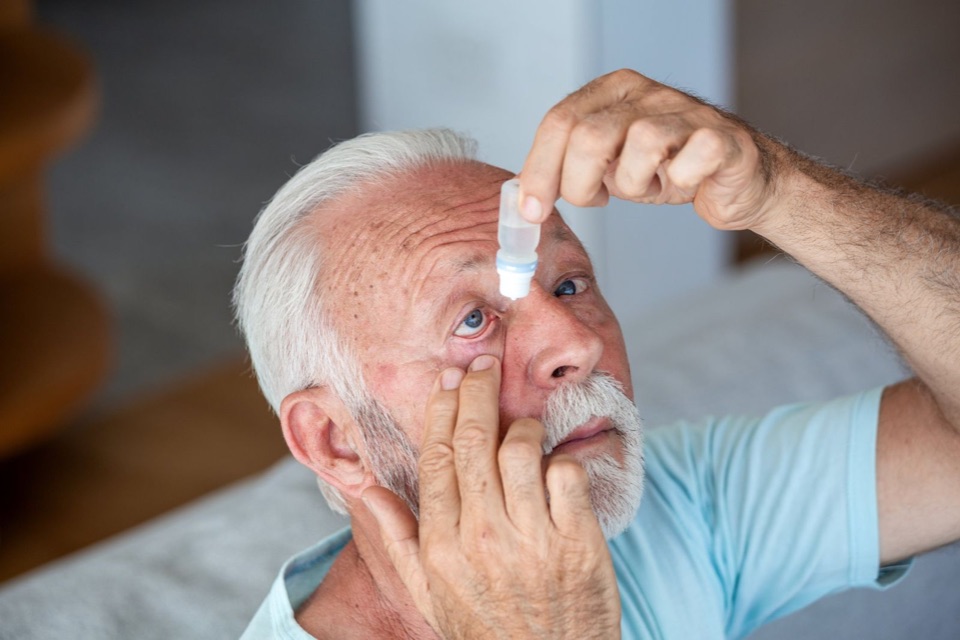
Dry eye becomes more common with age as tear production and tear quality change.
Common symptoms include:
Burning or stinging sensations
A gritty feeling in the eyes
Redness and irritation
Watery eyes
Light sensitivity
Fluctuating vision
Depending on the underlying cause, treatment may include artificial tears, prescription eye drops, warm compresses, eyelid hygiene, or other dry-eye therapies.
If you experience persistent dryness or irritation, an ophthalmologist can evaluate your eyes and recommend an appropriate treatment plan.
10. Understand Your Family History of Eye Disease
Family history can provide important information about your risk of developing certain eye conditions.
Some conditions, including glaucoma and macular degeneration, have genetic risk factors. Tell your ophthalmologist if close family members have experienced:
Glaucoma
Macular degeneration
Significant vision loss
Retinal conditions
Inherited eye diseases
Having a family history does not mean you will necessarily develop the same condition. However, it may influence how frequently your ophthalmologist recommends examinations or additional testing.
11. Maintain Healthy Lifestyle Habits
Your everyday habits can also influence your long-term eye health.
Consider incorporating these practices into your routine:
Exercise regularly
Eat a balanced diet
Get adequate sleep
Stay hydrated
Avoid smoking
Wear protective eyewear when needed
Manage chronic medical conditions
Follow your ophthalmologist’s recommendations
Healthy lifestyle habits support overall wellness and can contribute to maintaining healthy eyes as you age.
Why Choose Atlanta Vision Institute for Your Eye Care?
At Atlanta Vision Institute, we understand the importance of maintaining healthy vision at every stage of life.
Dr. Ashraf and our team provide comprehensive ophthalmology care focused on evaluating vision changes, identifying potential eye conditions, and helping patients understand their treatment options.
Our approach includes:
Comprehensive eye examinations
Evaluation of age-related vision changes
Cataract evaluations
Glaucoma screening and management
Retinal health evaluations
Dry eye evaluation and treatment
Personalized treatment recommendations
Patient-focused eye care
We take the time to understand your concerns, evaluate your individual eye health, and explain recommendations so you can make informed decisions about your care.
We proudly serve patients throughout Atlanta, Dunwoody, Johns Creek, and surrounding communities.
Protect Your Vision as You Get Older — Schedule an Eye Exam Today
Changes in vision are common with age, but taking care of your eyes can help you maintain your independence, comfort, and quality of life. Regular comprehensive eye examinations, healthy lifestyle habits, UV protection, and proper management of medical conditions can all help protect your vision.
At Atlanta Vision Institute, Dr. Ashraf and our team are here to help evaluate your vision, monitor age-related eye conditions, and recommend care based on your individual needs. If you’re experiencing vision changes or want to take a proactive approach to your eye health, call Atlanta Vision Institute at 770-622-2488 to schedule an appointment.
We proudly provide comprehensive ophthalmology care for patients throughout Dunwoody, Johns Creek, and surrounding communities.