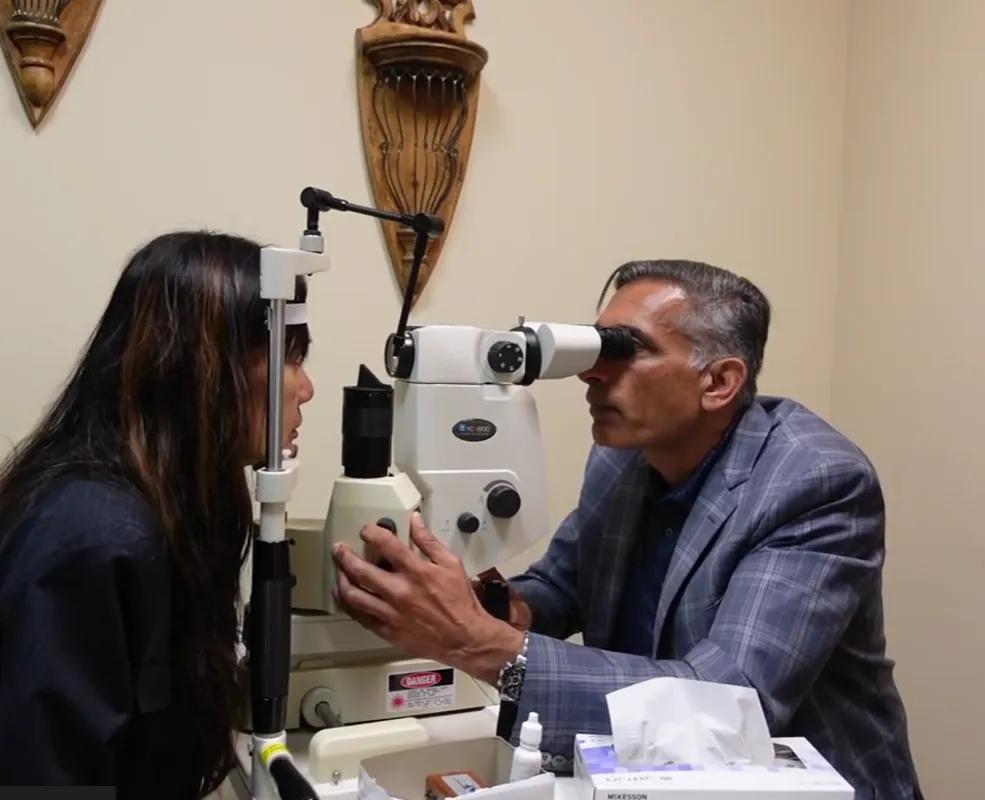
Dry Eyes Aren’t Just Annoying: When Dry Eye Needs Medical Treatment
Persistent Dry Eye May Need More Than Eye Drops
Dry, irritated eyes are common, especially as people spend more time looking at screens, get older, or experience changes in their environment. For some people, dry eyes are an occasional annoyance. For others, it can become a persistent condition that affects comfort, vision, and everyday activities.
Dry eyes can cause more than just irritation. It may contribute to burning, redness, excessive tearing, light sensitivity, and fluctuating or blurry vision. At Atlanta Vision Institute, our team evaluates the underlying causes of dry eye and develops treatment recommendations based on your symptoms and eye health.
If you’re dealing with persistent dry eye in Atlanta, Dunwoody, Johns Creek, or the surrounding areas, call our Atlanta ophthalmologist at 770-622-2488 today!
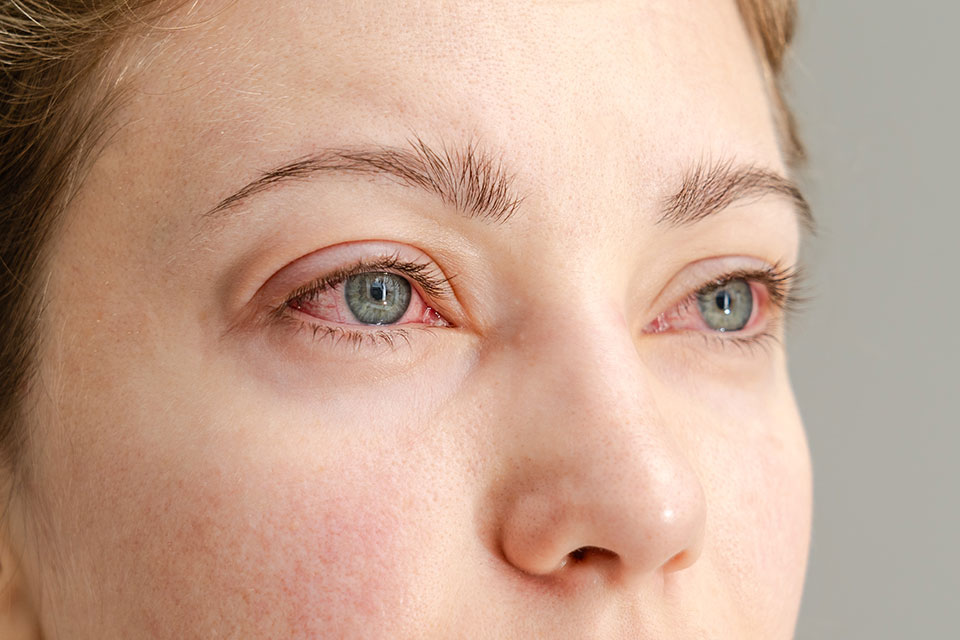
What Is Dry Eye?
Dry eye occurs when your eyes don’t produce enough tears or when your tears don’t function properly to keep the surface of your eyes comfortable and protected.
Tears lubricate the eye and help maintain a healthy surface. When the tear film becomes unstable, you may experience uncomfortable symptoms.
Common dry-eye symptoms include:
Burning or stinging
Gritty or scratchy sensations
Redness
Watery eyes
Light sensitivity
Eye fatigue
Difficulty wearing contact lenses
Fluctuating or blurry vision
A feeling that something is in your eye
Some people experience several of these symptoms, while others may primarily notice intermittent blurry vision.
What Causes Dry Eye?
Dry eye can have many different causes, and more than one factor may contribute to your symptoms.
Common risk factors include:
Age
Dry eyes become more common with age. Changes in tear production and the eye’s surface can contribute to symptoms over time.
Screen Use
When you’re concentrating on a computer, phone, tablet, or other digital screen, you may blink less frequently.
Reduced blinking can allow tears to evaporate more quickly and contribute to dry-eye symptoms.
Contact Lenses
Some contact lens wearers experience dryness, irritation, or discomfort, particularly after wearing lenses for extended periods.
If contact lenses are becoming increasingly uncomfortable, an eye examination can help determine whether dry eye or another issue is contributing.
Environmental Conditions
Wind, low humidity, air conditioning, heating, smoke, and other environmental factors can increase tear evaporation and make dry-eye symptoms worse.
Certain Medications and Health Conditions
Some medications and medical conditions can increase the risk of dry eye. Your ophthalmologist can review your medical history and medications when evaluating your symptoms.
When Do Dry Eyes Need Medical Treatment?
Occasional dryness may improve with simple measures such as taking breaks from screens, avoiding direct airflow toward your eyes, or using lubricating eye drops.
However, you should consider seeing an ophthalmologist if your symptoms are:
Frequent or persistent
Affecting your daily activities
Interfering with work or reading
Making contact lenses difficult to wear
Causing persistent blurry or fluctuating vision
Not improving with over-the-counter artificial tears
Accompanied by significant redness, pain, or light sensitivity
Persistent symptoms may indicate that an underlying condition needs to be identified and treated.
Why Aren’t Artificial Tears Always Enough?
Artificial tears can be helpful for many people with mild or occasional dry eye. However, dry eye isn’t always caused by simply having “too few tears.”
Problems with tear quality, tear evaporation, inflammation, or the glands responsible for producing components of the tear film may also contribute.
If symptoms continue despite using artificial tears, your ophthalmologist can evaluate the surface of your eyes and determine whether a different treatment approach may be appropriate.
What Does a Dry Eye Evaluation Involve?
Your ophthalmologist will ask about your symptoms, how long you’ve been experiencing them, your medications, contact lens use, screen habits, and other potential contributing factors.
Your eyes may also be examined for signs of:
Tear-film instability
Inflammation
Problems with the eyelids
Abnormal tear production
Meibomian gland dysfunction
Damage or irritation of the eye’s surface
Depending on your symptoms, additional testing may be recommended to better understand your tear film and the health of your ocular surface.
How Is Dry Eye Treated?
Treatment depends on what’s causing your symptoms and how severe your dry eye is.
Your treatment plan may include recommendations such as:
Lubricating eye drops
Changes to screen and blinking habits
Environmental modifications
Eyelid or warm-compress treatments
Treatment of eyelid or meibomian gland problems
Prescription medications when appropriate
Other in-office or advanced dry-eye treatments
Your ophthalmologist can determine which options make sense for your individual situation.
Can Dry Eye Cause Blurry Vision?
Yes. Dry eye can cause vision to fluctuate or become temporarily blurry because the tear film is an important part of the eye’s optical surface.
Some patients notice that their vision becomes blurry after prolonged screen use or improves temporarily after blinking.
However, you shouldn’t automatically assume that blurry vision is caused by dry eye. Persistent or unexplained changes in vision should be evaluated to rule out other potential causes.
When Should I Call My Eye Doctor?
Dry-eye symptoms are usually uncomfortable rather than dangerous, but significant or sudden changes should be taken seriously.
Contact your eye doctor if you experience persistent symptoms or if your dry eye is interfering with your normal activities.
Seek prompt evaluation for significant eye pain, sudden changes in vision, severe redness, or other sudden or concerning symptoms.
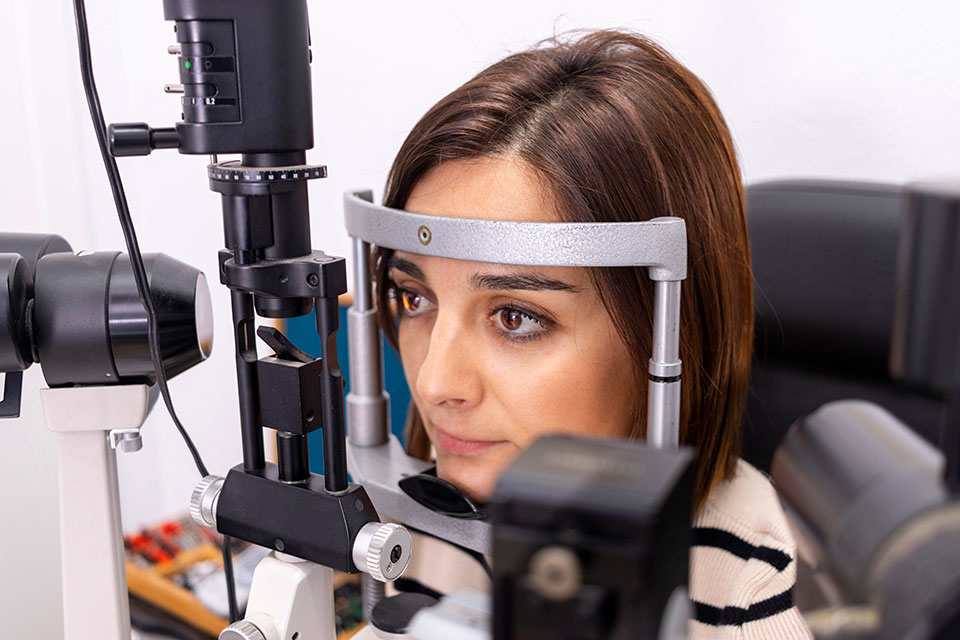
Find Relief From Persistent Dry Eye
You don’t have to simply live with eyes that constantly feel dry, irritated, or uncomfortable. Identifying the underlying cause is an important first step toward finding an effective treatment plan.
At Atlanta Vision Institute, Dr. Farooq Ashraf and our team evaluate patients with dry eye and other ocular surface conditions and help determine the most appropriate approach for their individual needs.
If you’re experiencing eye issues in Atlanta, Dunwoody, Johns Creek, or the surrounding areas, call our Atlanta ophthalmologist at 770-622-2488 today to schedule an evaluation.