
Blog
Vision Correction & Eye Health
At Atlanta Vision Institute, we share expert insights on LASIK, SMILE, EVO ICL, cataract surgery, and other vision correction procedures to help you make informed decisions about your eye health.
Whether you're exploring life without glasses or simply want to learn more about protecting your vision, our blog offers educational resources, answers to common questions, and guidance from experienced ophthalmologists.
Clarity.
Focus.
Confidence.
Freedom.
LaserOptix: Improving Vision Long-Term with Laser Eye Surgery
Long-term vision correction solution after 40? LaserOptix helps patients regain clear vision. ...more
Cataracts ,LaserOptix
May 13, 2026•3 min read
LaserOptix: Innovation in Laser Eye Surgery
Discover how LaserOptix and advanced laser eye surgery technology are transforming vision correction ...more
LaserOptix
May 11, 2026•5 min read
Meet Dr. Farooq Ashraf of Atlanta Vision Institute
Meet Dr. Farooq Ashraf, founder and a leading LASIK, EVO ICL, SMILE, LaserOptix, & Cataract surgeon. ...more
LASIK ,Cataracts SMILE EVO ICL &LaserOptix
May 08, 2026•4 min read
What Is EVO ICL?
Learn what EVO ICL is, how it compares to LASIK, and why it’s a popular vision correction option. ...more
EVO ICL
May 08, 2026•7 min read
How Much Does Vision Correction Surgery Cost in Atlanta?
Learn how much LASIK, SMILE, PRK, and EVO ICL vision correction surgery costs in Atlanta. Discover what affects pricing and whether vision correction is worth it. ...more
LASIK
March 06, 2026•4 min read
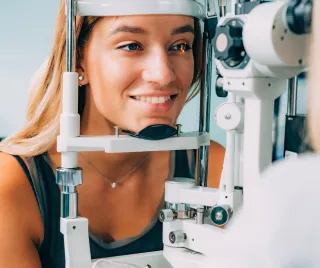
Can You Get LASIK with Astigmatism?
Wondering if LASIK can correct astigmatism? Learn how LASIK, SMILE, and other vision correction procedures treat astigmatism at Atlanta Vision Institute. ...more
LASIK
March 06, 2026•4 min read

Your Vision Transformation
Starts With One Conversation
For some patients, life after vision correction means waking up and seeing clearly for the first time in years. For others, it means no more contact lens irritation, no more reaching for glasses in the middle of the night, and no more planning daily life around visual limitations.
Whether your goal is convenience, confidence, performance, or simply clearer everyday living, advanced vision correction can make a meaningful difference.
Take the first step today by scheduling a free vision consultation.
Freedom from glasses and contacts is closer than you think!

Your Vision Transformation Starts With One Conversation
Take the first step today. Freedom from glasses and contacts is closer than you think!
We are committed to guiding you on your journey to clear vision. Our expert team offers a supportive environment to help you thrive, and see the world with 20/20 vision.
Phone: 770-622-2488
Hours:
Monday - Friday 9AM-5PM
Quick links
Services
Cataract Options
Locations
11459 John's Creek Pkwy #100
John's Creek, GA 30097
1611 Mt Vernon Rd #100
Dunwoody, GA 30338
© Atlanta Vision Institute. 2026. All Rights Reserved.