Can You Get LASIK with Astigmatism?
Can You Get LASIK With Astigmatism?
The short answer is yes, LASIK can often correct astigmatism. Astigmatism is a very common refractive error that causes blurred or distorted vision at all distances. It occurs when the cornea (the clear front surface of your eye) has an irregular shape, preventing light from focusing properly on the retina.
Instead of being perfectly round like a basketball, the cornea of someone with astigmatism is shaped more like a football or oval. Because of this irregular curvature, light enters the eye unevenly and creates blurry or distorted images.
Fortunately, modern vision correction procedures like LASIK can reshape the cornea and correct this problem, helping many patients achieve clear vision without glasses or contact lenses.
At Atlanta Vision Institute, advanced laser technology allows surgeons to precisely reshape the cornea and correct astigmatism for many patients.
What Is Astigmatism?
Astigmatism is a refractive condition that affects how light focuses inside the eye. In a healthy eye, the cornea is smooth and evenly curved, allowing light to focus directly on the retina.
With astigmatism, the cornea has an uneven curvature, which causes light to focus at multiple points instead of one. This results in:
Blurry vision
Distorted images
Difficulty seeing at night
Eye strain or headaches
Astigmatism can occur on its own or alongside other refractive errors like:
Nearsightedness (myopia)
Farsightedness (hyperopia)
The good news is that astigmatism is extremely common and highly treatable.
Laser vision correction procedures reshape the cornea so light can once again focus properly on the retina.
How LASIK Corrects Astigmatism
LASIK works by gently reshaping the cornea using a precise laser.
During the procedure:
A thin flap is created on the surface of the cornea
A laser reshapes the underlying corneal tissue
The flap is repositioned
By reshaping the cornea into a more symmetrical curve, LASIK allows light to focus properly on the retina, restoring clearer vision.
The procedure is:
Quick (often less than 15 minutes)
Painless with numbing drops
Performed on an outpatient basis
Many patients notice improved vision within 24 hours after surgery.
Are You a Good Candidate for LASIK with Astigmatism?
Many people with astigmatism are excellent candidates for LASIK.
You may be a good candidate if you:
Are over age 18
Have a stable prescription
Have healthy corneas
Have mild to moderate astigmatism
Want to reduce dependence on glasses or contacts
However, not everyone with astigmatism is the same. Factors like corneal thickness, prescription strength, and overall eye health can affect candidacy.
That’s why a comprehensive vision evaluation is the best way to determine if LASIK is right for you.
Other Vision Correction Options for Astigmatism
If LASIK isn’t the best option for your eyes, other procedures may still help correct astigmatism.
These include:
SMILE Vision Correction
SMILE is a minimally invasive laser vision correction procedure that can treat nearsightedness and astigmatism. SMILE uses a tiny incision to remove a small piece of corneal tissue, reshaping the cornea and correcting vision.
PRK Surgery
Photorefractive Keratectomy is another laser procedure that reshapes the cornea to improve vision. PRK may be recommended for patients with thin corneas or certain corneal conditions that make LASIK less ideal.
EVO ICL
For patients with higher prescriptions or who may not be candidates for laser procedures, EVO ICL may be an option. This procedure implants a small lens inside the eye to improve vision without reshaping the cornea.

Benefits of Correcting Astigmatism with LASIK
Many patients choose LASIK to correct astigmatism because it offers several advantages.
Clearer Vision
Many patients achieve 20/20 vision or better after LASIK, recovering quickly and returning to normal activities next day. LASIK significantly reduces or eliminates the need for glasses or contacts for long-term vision correction.
How to Know if LASIK Is Right for Your Astigmatism
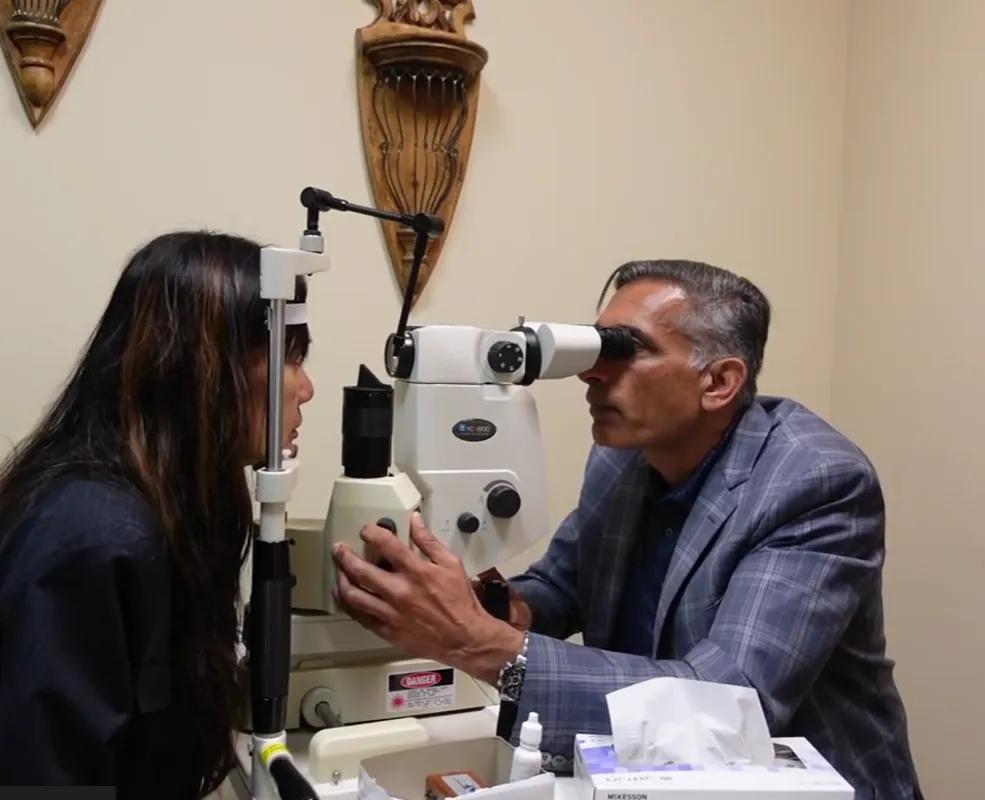
The best way to determine whether LASIK can correct your astigmatism is through a comprehensive consultation with an experienced refractive surgeon.
During your visit, your doctor will evaluate:
Your prescription
Corneal thickness
Eye health
Lifestyle and vision goals
This evaluation helps determine the safest and most effective procedure for your eyes.
Take the First Step Toward Clear Vision
If you’re tired of blurry vision caused by astigmatism, modern vision correction procedures may help you see clearly again. At Atlanta Vision Institute, advanced diagnostic technology and personalized treatment planning help determine the best solution for your eyes.
Schedule your FREE Vision Consultation with Atlanta Vision Institute today to learn whether LASIK or another vision correction procedure can treat your astigmatism.
Call 770-622-2488 or schedule online to get started.